UPSC Philosophy Optional Coaching
A structured program designed to help serious aspirants master the Philosophy Optional syllabus with conceptual clarity, critical analysis, and exam-oriented answer writing.
✔ Founder-led guidance | ✔ PYQ-integrated pedagogy | ✔ Free Mains test series
Why Philosophy Optional?
High Success Rate
An impressive success rate of around 7.2% in recent years.
High Scoring Potential
Clear concepts and precise arguments can lead to excellent scores.
Beginner Friendly
No prior academic background in Philosophy is required.
Shortest Syllabus
Can be completed in approximately 3–4 months.
No Current Affairs
A concise and largely static syllabus.
GS & Essay Overlap
Useful for GS-II, GS-III, GS-IV and Essay.
Interview Advantage
Develops critical thinking and balanced judgement.
Excellent ROI
Short syllabus with strong scoring potential.
Why GR IAS Academy?
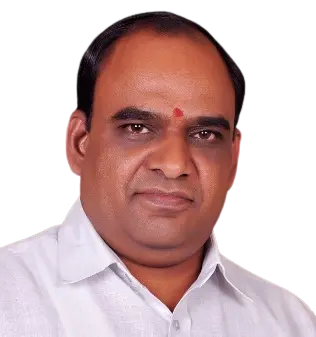
K. Gangadhara Rao
Director & Senior Faculty · 40 years of teaching
- Guidance from Gangadhara Rao Sir with decades of teaching experience.
- Simplifies complex philosophical concepts into high-scoring answers.
- Strong focus on conceptual understanding rather than rote learning.
Program Highlights
- 1PYQ integrated pedagogy.
- 2Dedicated answer writing practice.
- 3Free Mains Test Series before examination.
- 4Personalized evaluation and feedback.
- 53 Years Validity.
Scoring Level & Difficulty
Philosophy is considered one of the most rewarding optional subjects in UPSC due to its concise syllabus, high scoring potential, and excellent overlap with General Studies and Essay.
High Ceiling
325–350
out of 500
Strong Performers
300–325
out of 500
Average Range
275–300
out of 500
Success Rate
5–7.5%
Difficulty Level
Philosophy has a moderate-to-high difficulty level due to its conceptual and analytical nature, but it offers one of the highest returns on preparation time among UPSC optionals.
Advantages
- Short Syllabus
- Zero Current Affairs Dependency
- Strong GS Overlap
Challenges
- Abstract Concepts
- Analytical Thinking
- Answer Writing Skills
Philosophy Optional High Scores
Scores achieved by successful candidates in recent UPSC Civil Services Examinations.
295/500
Dimple Chauhan
298/500
Archit Dongre (AIR 3)
319/500
Avinash Kumar
310/500
K. Aman Chandran
319/500
Ananthu Suresh Govind
Our Teaching Method
Every topic moves through the same five-stage cycle, from understanding the thinker to writing exam-ready answers.
- 1
Concepts
Conceptual foundation of every thinker and school
- 2
Comparison
Comparative analysis across Indian and Western traditions
- 3
PYQs
Previous year question analysis
- 4
Answer writing
Structured answer writing practice
- 5
Test series
Full length test series with evaluation
Complete Syllabus
One of the shortest and most structured optional subjects in UPSC: two papers of 250 marks each, with a clear division between philosophical thought and applied philosophy.
History and Problems of Philosophy
Plato & Aristotle
- Theory of Ideas
- Substance, form and matter
- Causation
- Actuality and potentiality
Rationalism
- Descartes, Spinoza, Leibniz
- Cartesian method and certain knowledge
- Substance, God, mind–body dualism
- Determinism and freedom
Empiricism
- Locke, Berkeley, Hume
- Theory of knowledge
- Substance and qualities, self and God
- Scepticism
Kant & Hegel
- Possibility of synthetic a priori judgements
- Space, time and categories
- Ideas of reason and antinomies
- Hegel: dialectical method, absolute idealism
Analytic Philosophy
- Moore: defence of common sense
- Russell: logical atomism, definite descriptions
- Wittgenstein: picture theory, meaning and use
- Logical positivism; Quine and Strawson
Phenomenology & Existentialism
- Husserl: method and theory of essences
- Kierkegaard, Sartre, Heidegger
- Existence and essence, choice, responsibility
- Being-in-the-world and temporality
Carvaka & Jainism
- Carvaka theory of knowledge
- Rejection of transcendent entities
- Anekantavada, syadvada, nayavada
- Bondage and liberation
Buddhism & Nyaya–Vaisesika
- Pratityasamutpada, ksanikavada, nairatmyavada
- Schools of Buddhism
- Nyaya: pramanas, self, liberation, God
- Vaisesika: categories, atomism, causation
Samkhya, Yoga & Mimamsa
- Prakrti, purusa, causation, liberation
- Citta, cittavrtti, klesas
- Samadhi and kaivalya
- Mimamsa theory of knowledge
Vedanta & Sri Aurobindo
- Advaita (Sankara): Brahman, maya, adhyasa, moksa
- Visistadvaita (Ramanuja)
- Aurobindo: evolution and involution
- Integral yoga
Short Syllabus, High Returns
Philosophy Optional can typically be completed faster than most UPSC optionals while providing strong overlap with Essay, Ethics and General Studies.
Preparation Strategy
Conceptual Clarity
Every thinker and school is taught from first principles so arguments are understood, not memorised.
Previous Year Questions
Extensive analysis of UPSC questions to understand patterns and frequently tested areas.
Answer Writing Practice
Regular answer writing using the introduction, argument, criticism and conclusion structure that UPSC rewards.
Revision Framework
Structured revision cycles to consolidate key arguments, thinkers and criticisms.
Experienced Philosophy Mentors
The Philosophy Optional program is led by experienced faculty with strong academic backgrounds and decades of teaching experience in philosophy and UPSC preparation. The teaching approach emphasizes conceptual clarity, critical analysis, and a deep understanding of the philosophical debates that frequently appear in UPSC examination papers.
K. Gangadhara Rao
Director & Senior Faculty
Frequently Asked Questions
Common questions about Philosophy Optional, syllabus, preparation strategy and scoring potential.
Yes. Philosophy is conceptual and does not require a graduation-level background.
- Suitable for Engineering, Science and Commerce graduates.
- Focuses on logical reasoning and analytical thinking.
- Requires structured answer writing rather than memorization.
Start Your Philosophy Optional Preparation
Join a structured program designed for serious UPSC aspirants.